
Category
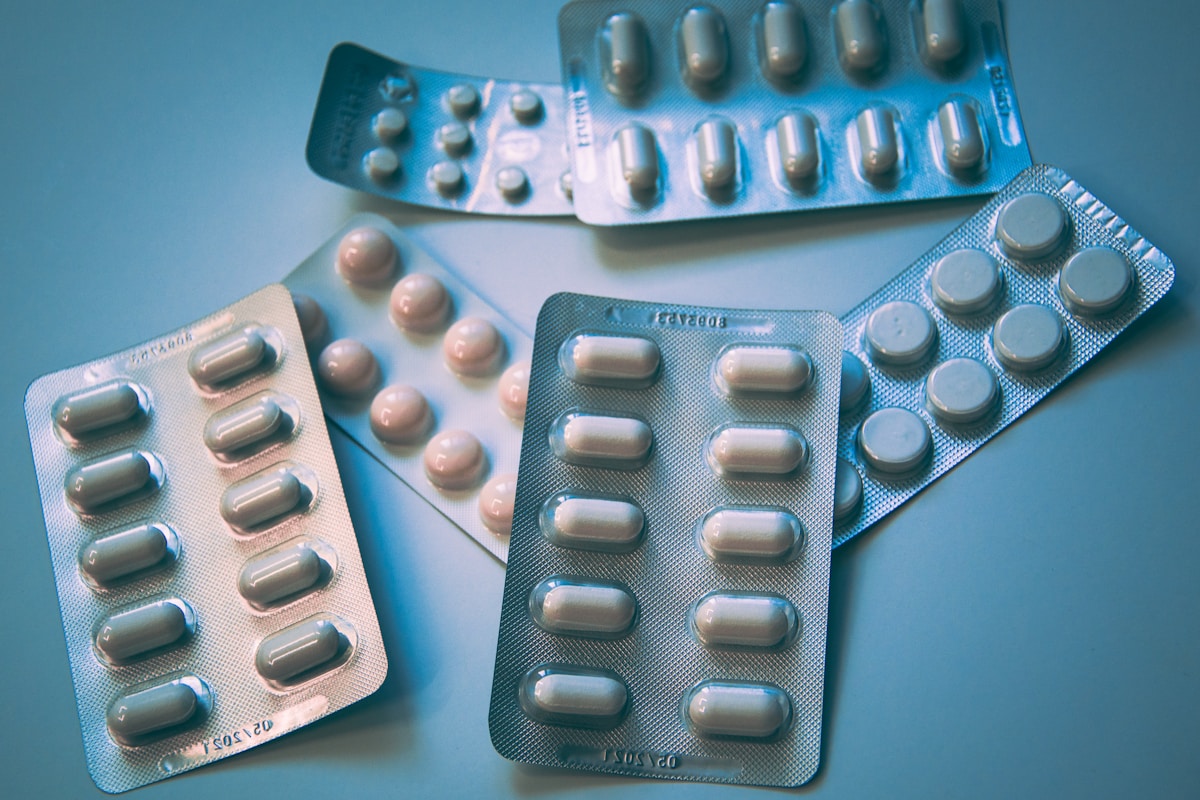
For decades, injectable administration has been the dominant method for delivering peptides and biologics into the human body. The subcutaneous or intramuscular injection was simply seen as the most reliable way to bypass the digestive system and achieve measurable plasma concentrations. But research into alternative delivery mechanisms has been accelerating — and sublingual delivery, long used in pharmaceuticals like nitroglycerin and certain hormones, is now being studied intensively in the peptide space.
This guide explores what the peer-reviewed literature says about sublingual peptide delivery versus traditional injection — covering absorption mechanisms, bioavailability considerations, practical factors, and why sublingual peptide strips are attracting serious interest from researchers and formulators alike.
When a peptide is administered via subcutaneous injection, it enters the interstitial space beneath the skin and diffuses into nearby capillaries. Intramuscular injection delivers the compound directly into muscle tissue, where it is absorbed into systemic circulation through the dense local vasculature. Both methods circumvent the gastrointestinal tract entirely, which is important because most peptides are poorly absorbed orally — proteolytic enzymes in the stomach and small intestine rapidly degrade them before they can reach circulation.
Injection provides relatively predictable pharmacokinetics. Studies can characterize peak plasma concentration (Cmax), time to peak (Tmax), and area under the curve (AUC) with reasonable consistency. This predictability is part of why injection remains the reference standard in clinical peptide research.
However, injections carry practical considerations: the need for sterile technique, sharps disposal, injection-site reactions, and the psychological and logistical burden of self-injection. These factors have driven researchers to explore whether alternative routes can deliver comparable bioavailability with fewer barriers.
Sublingual administration involves placing a substance beneath the tongue, where it dissolves and is absorbed through the highly vascularized mucosal tissue. The sublingual mucosa is distinct from the buccal (cheek) mucosa and the gastrointestinal epithelium in several important ways:
The bypass of hepatic first-pass metabolism is a critical advantage. When molecules are swallowed, they are absorbed through the GI tract and transported to the liver via the portal vein before entering systemic circulation — where extensive metabolism often dramatically reduces bioavailability. Sublingual absorption bypasses this entirely, delivering molecules directly into systemic venous circulation.
Research on sublingual bioavailability of peptides is growing. The challenges are meaningful: peptides are hydrophilic molecules with variable molecular weights, and mucosal absorption is generally favored for smaller, more lipophilic compounds. However, several strategies have been studied to enhance sublingual peptide absorption:
A 2021 review in the Journal of Controlled Release noted that sublingual bioavailability for peptides varies widely depending on molecular weight, formulation, and mucosal enhancers used — but that well-optimized formulations could achieve meaningful systemic exposure without injection. Smaller peptides (<1,000 Da) generally show more favorable sublingual absorption profiles than larger biologics.
Among the various sublingual formats studied, thin oral dissolving strips have attracted particular attention. These films — similar in form to the breath-freshening strips familiar to consumers — offer several research-relevant properties:
FitDaily’s sublingual peptide strips — including the Wolverine strip and CJC-1295 Ipamorelin strip — are formulated using this thin-film delivery approach, designed to maximize sublingual contact and dissolution.
Beyond bioavailability, delivery route has significant implications for research protocol compliance and practical usability. Studies examining participant adherence to self-injection protocols have consistently documented dropout and protocol deviation as significant challenges, particularly for longer-duration studies. Pain, injection anxiety, and the logistical burden of maintaining sterile injection supplies all contribute.
Sublingual formats eliminate these barriers entirely. No needles, no sharps disposal, no refrigeration requirements in many formulations, no injection technique to master. For research contexts where adherence matters — and for end users seeking convenient delivery — these differences are substantive.
The convergence of several factors explains the growing interest in sublingual peptide strips as a research delivery format:
Q: Do sublingual peptide strips actually absorb into the bloodstream?
A: Research into sublingual peptide absorption is ongoing. The sublingual mucosa is highly vascularized and provides a direct route bypassing hepatic first-pass metabolism. Bioavailability depends heavily on peptide molecular weight and formulation — including the use of permeation enhancers and mucoadhesive carriers.
Q: Are sublingual peptide strips as effective as injections?
A: This remains an active area of research. Injections are considered the established reference standard due to well-characterized pharmacokinetics. Sublingual formats offer distinct practical advantages and are being studied as alternatives for researchers and users seeking non-injectable delivery options.
Q: What makes FitDaily’s sublingual strips different?
A: FitDaily’s strips are formulated as oral dissolving films with mucoadhesive properties designed to maximize sublingual contact time. They are intended for research and informational purposes. Visit the FitDaily shop to explore available formulations.
Q: Can sublingual peptide strips be used without a prescription?
A: FitDaily’s products are research-oriented. Always consult with a qualified healthcare provider before using any peptide-based product. Regulatory status varies by jurisdiction.
Explore FitDaily’s sublingual strip formulations — including the Wolverine and CJC-1295 Ipamorelin strips — and join the growing number of researchers exploring this delivery frontier.
Research-grade peptide strips. No needles. Made in the USA.
FEATURED PRODUCT
Research-grade BPC-157. Fast-acting sublingual delivery. No needles.
Explore FitDaily’s lineup of research-grade sublingual strips.
🔬
Science-backed guides on peptide research and sublingual delivery.